
NanoAi Sensor Testing Begins on Explosive Threat 001 as The Pentagon Announces it is Building a New Command for Autonomous Warfare
This Post is disseminated on behalf of Intellistake Technologies Corp.
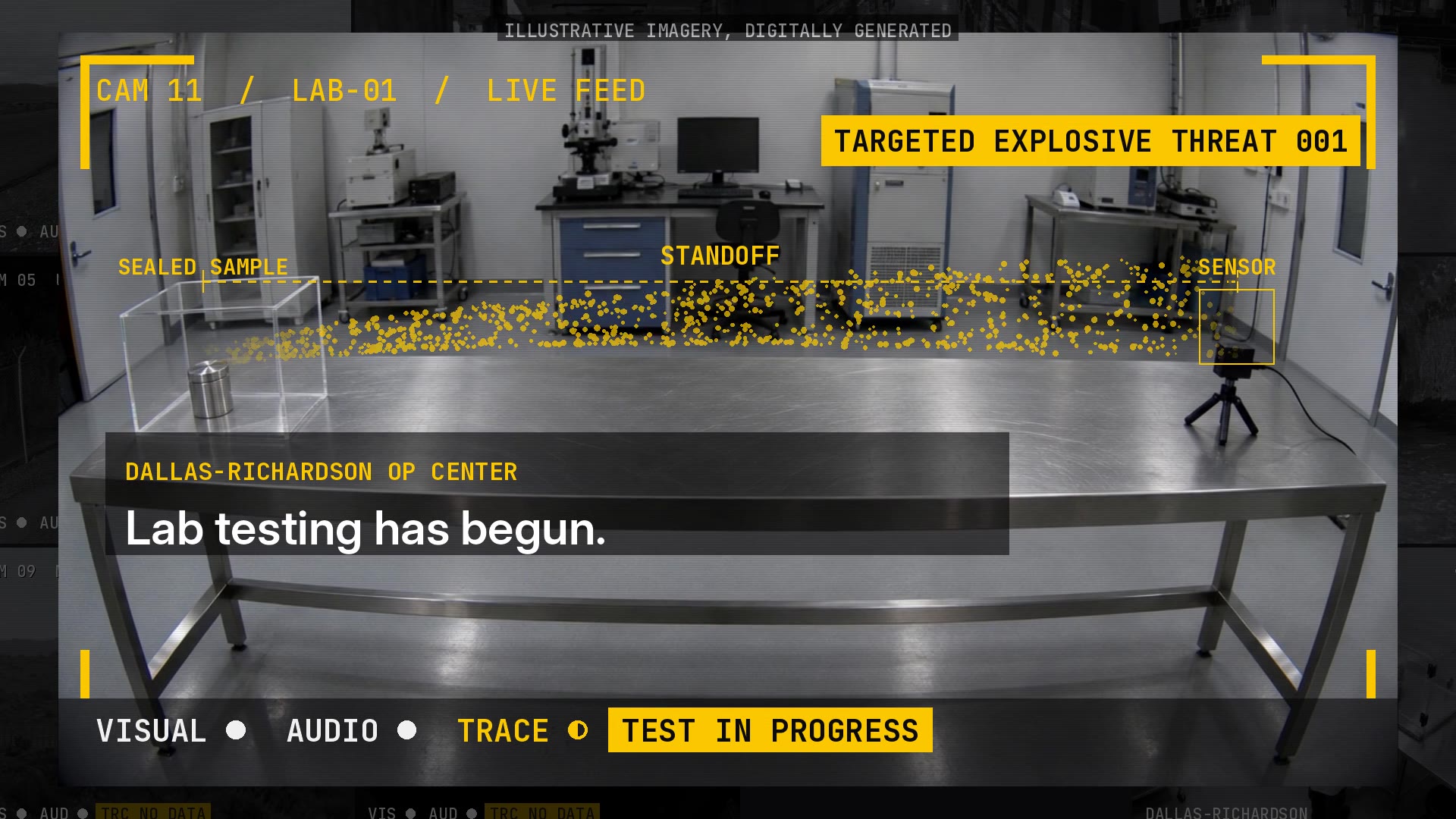
This week, NanoAi started laboratory testing of its standoff detection platform against its first targeted explosive, which it calls Targeted Explosive Threat 001. The testing is happening at NanoAi's new Op Center in the Dallas-Richardson technology and defense corridor in Texas. ¹
The U.S. military has also just announced a new command to develop and field drones, robots and other autonomous systems across its armed forces.
U.S. Defense Secretary Pete Hegseth announced the Autonomous Warfare Command, or AutoWarCom, on September 30. ¹
The command will be led by a four-star officer and is intended to accelerate autonomous and robotic capabilities across the U.S. military.
New U.S. military commands are rare. Reuters reported that the last new command was U.S. Space Command in 2019. ¹
The funding behind the wider autonomous push has also increased rapidly.
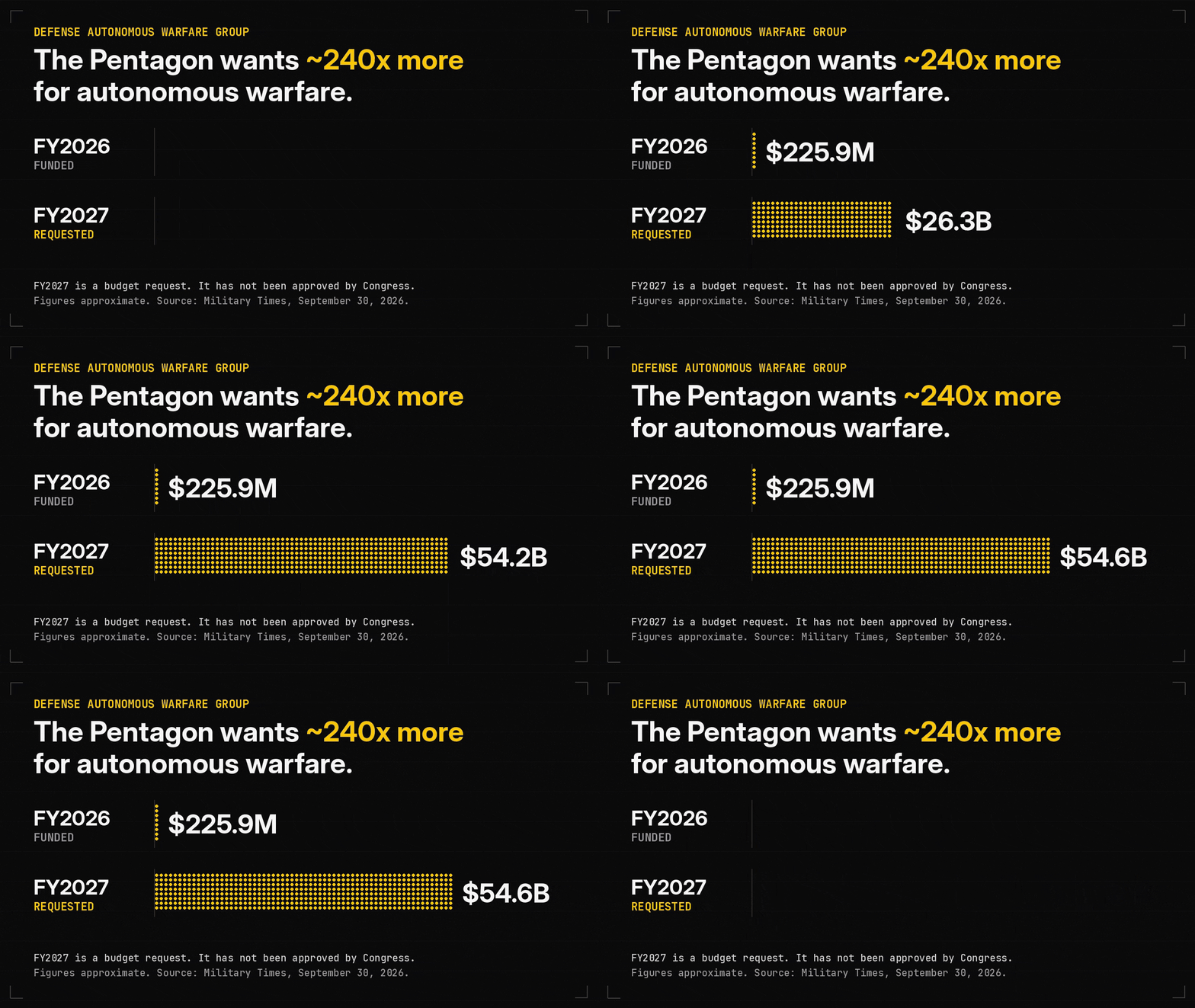
For fiscal 2027, the Pentagon has requested approximately US$54.6 billion for the Defense Autonomous Warfare Group, compared with approximately US$225.9 million in fiscal 2026. Congress has not yet approved that request. ²
And That Is Only One Part of a Much Larger Defense Budget
The autonomous-warfare request sits inside one of the largest pools of federal funding in the United States.
For FY2026, the Department of Defense has approximately US$2.63 trillion in total budgetary resources. That figure covers the entire department, not autonomous systems alone, but it shows the scale of the institution now increasing its focus on drones, robotics, AI and autonomous capabilities.¹ , ²
The Pentagon is not just spending more. It is changing how it intends to operate.
More drones, robots and autonomous systems mean more machines being sent into environments where sending a person first may be dangerous. But every one of those systems is ultimately limited by what it can sense.
Cameras let machines see. Microphones let them hear. Other sensors help them understand movement, position and the environment around them.
But some threats cannot simply be seen or heard.
Threats like explosives, ammunition and narcotics which can leave trace signatures in the environment.
What if the machines entering those environments could detect those too?
That is where NanoAi Technologies comes in.
Craig Micklich spent 12 years as a U.S. Navy SEAL. He told us something simple about that time:
“in many situations, the only way to confirm a threat was to walk up to it.”
That sentence is the reason NanoAi exists.
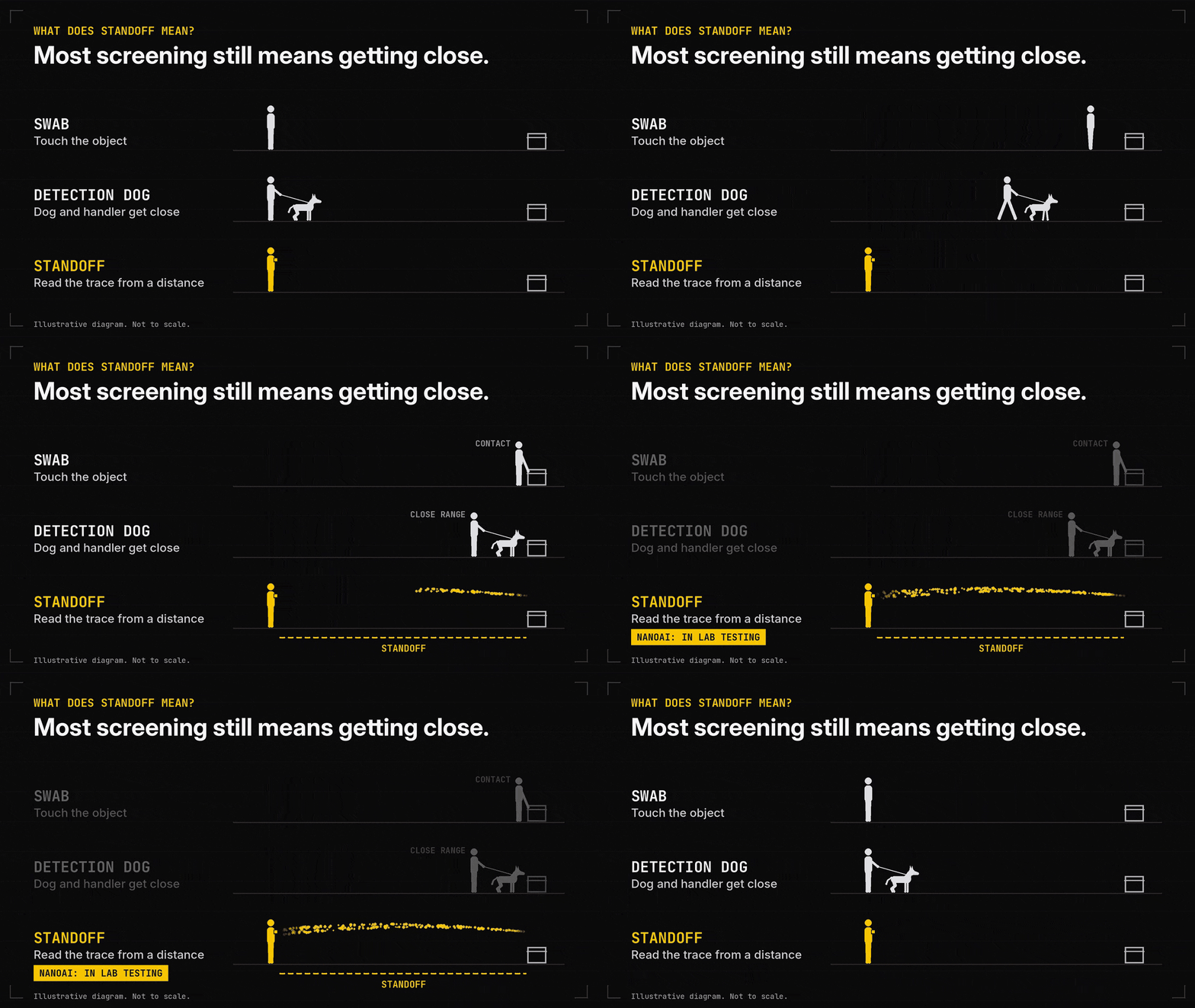
What does "standoff" mean?
Most field screening today needs an operator to get close. Swab-based screening means touching the object. Ion mobility spectrometry needs the device to be near the sample. Both work, but both put a person next to something that might hurt them. ¹
Explosives, ammunition and narcotics leave a trace in the air before they are ever seen. NanoAi’s intelligent sensor is being designed to read that trace from a distance, this could be critical for high threat scenarios.
The sensor is being designed for wearable, drone, robotic, vehicle and fixed deployments - two of which (drones and robots) are areas that the pentagon command has highlighted.
What has been shown, and what comes next
NanoAi has already shown standoff detection in bench-level testing. The new tests extend that to a real targeted explosive, and explosives are the first threat category the company is going after. ¹
If the testing goes well, it would show that the platform can identify an explosive from a distance. That result would support NanoAi's talks with defense customers. Craig put it this way:
“the goal now is to validate the accuracy of the hardware and software.”
We will share more as testing moves forward.
Why Autonomous Systems Will Need Better Sensors
To be clear, NanoAi has no contracts with the Pentagon, and it has no connection to AutoWarCom or the Defense Autonomous Warfare Group.
But the larger story still matters.
If the U.S. military sets up a new four-star command and asks for billions of dollars to put more drones and robots into the field, it is signaling that demand for autonomous systems is growing. Those machines will need to sense more than what a camera or microphone can pick up, including threats like explosives that can't be seen.
That is a gap NanoAi is building to fill. Positive results from its sensor and the explosive testing could become one of the missing pieces that makes these systems a key item for the next generation of defense.
Disclaimer
Disclaimer
Intellistake has entered into a definitive agreement to acquire NanoAi and Intellistake has entered into a definitive agreement to acquire NanoAi and Completion of the NanoAi transaction remains subject to customary conditions including completion of satisfactory due diligence (including verifying title to the intellectual property of NanoAi), completion of the audit of financial statements of NanoAi, the Company maintaining a minimum cash balance of $2 million and no objection from the Canadian Securities Exchange. Closing is targeted within 60 days thereafter, subject to satisfaction of closing conditions in the definitive agreement.
This report contains "forward-looking information" concerning anticipated developments and events related to the Company that may occur in the future. Forward looking information contained in this report includes, but is not limited to, all statements in respect of the Company's growth and development, expectations regarding market growth, the operations and business segments of the Company and NanoAi, the functionality of the Company’s technology, and its benefits, the details of the proposed acquisition of NanoAi, the conditions to completion of the proposed acquisition of NanoAi, the benefits of the acquisition of NanoAi, the business model of NanoAi, the benefits of the NanoAi lease. the synergies between NanoAi and the Company, and bridging the gap between emerging decentralized networks and real-world industry adoption.
In certain cases, forward-looking information can be identified by the use of words such as "expects", "intends", "anticipates" or variations of such words and phrases or state that certain actions, events or results "may", "would", or "might" suggesting future outcomes, or other expectations, assumptions, intentions or statements about future events or performance. Forward-looking information contained in this report is based on certain assumptions regarding, among other things, the Company will continue to have access to financing until it achieves profitability; the Company and NanoAi satisfy all conditions necessary to close the proposed transaction; the technology and blockchain industries in which the Company intends to focus its business in will grow at the rate and in the manner expected; the ability to attract qualified personnel; the success of market initiatives and the ability to grow brand awareness; the ability to distribute Company's services; the Company creates strategies to mitigate risks associated with cryptocurrency price fluctuations; the Company remains compliant with all applicable laws and securities regulations and applicable licensing requirements; the Company engages and collaborates with local experts, as necessary, to address jurisdiction-specific matters and ensures compliance with foreign regulations to avoid penalties; the Company addresses any potential cybersecurity threats promptly and effectively; the ability of the Company to develop its technology, acquire customers and have revenue; the ability to successfully deploy the new business strategy as a result of the change of business. While the Company considers these assumptions to be reasonable, they may be incorrect.
Forward looking information involves known and unknown risks, uncertainties and other factors which may cause the actual results to be materially different from any future results expressed by the forward-looking information. Such factors include risks related to general business, economic and social uncertainties; failure of the Company and NanoAi to satisfy all conditions necessary to close the proposed transaction; failure to raise the capital necessary to fund its operations; inability to create strategies to mitigate the risks associated with cryptocurrency price fluctuations; the costs of regulation in the digital asset industries increase to the extent that the Company is no longer generating sufficient returns for shareholders; failure to promptly and effectively address cybersecurity threats; insufficient resources to maintain its operations on a competitive basis; and the actual costs, timing and future plans differs expectations; legislative, environmental and other judicial, regulatory, political and competitive developments; the inherent risks involved in the cryptocurrency and general securities markets; the Company may not be able to profitably liquidate its current digital currency inventory, or at all; a decline in digital currency prices may have a significant negative impact on the Company's operations; the Company's success may depend on the continued involvement of key personnel, including advisors, whose involvement cannot be guaranteed; institutional adoption of decentralized AI infrastructure remains uncertain and may not occur at the pace or scale anticipated; evolving regulatory frameworks, including those related to AI (such as Canada's proposed Artificial Intelligence and Data Act) and prediction markets, may impose additional compliance burdens or restrict certain business activities; valuation figures are based on publicly available market data and internal assessments at the time of the referenced transactions and may not reflect current or future valuations; the volatility of digital currency prices; the inherent uncertainty of cost estimates and the potential for unexpected costs and expenses, currency fluctuations; regulatory restrictions, liability, competition, loss of key employees and other related risks and uncertainties; delay or failure to receive regulatory approvals; failure to attract qualified personnel, labour disputes; and the additional risks identified in the "Risk Factors" section of the Company's filings with applicable Canadian securities regulators.
Although the Company has attempted to identify factors that could cause actual results to differ materially from those described in forward-looking information, there may be other factors that cause results not to be as anticipated. Readers should not place undue reliance on forward-looking information. The forward-looking information is made as of the date of this report. Except as required by applicable securities laws, the Company does not undertake any obligation to publicly update forward-looking information.